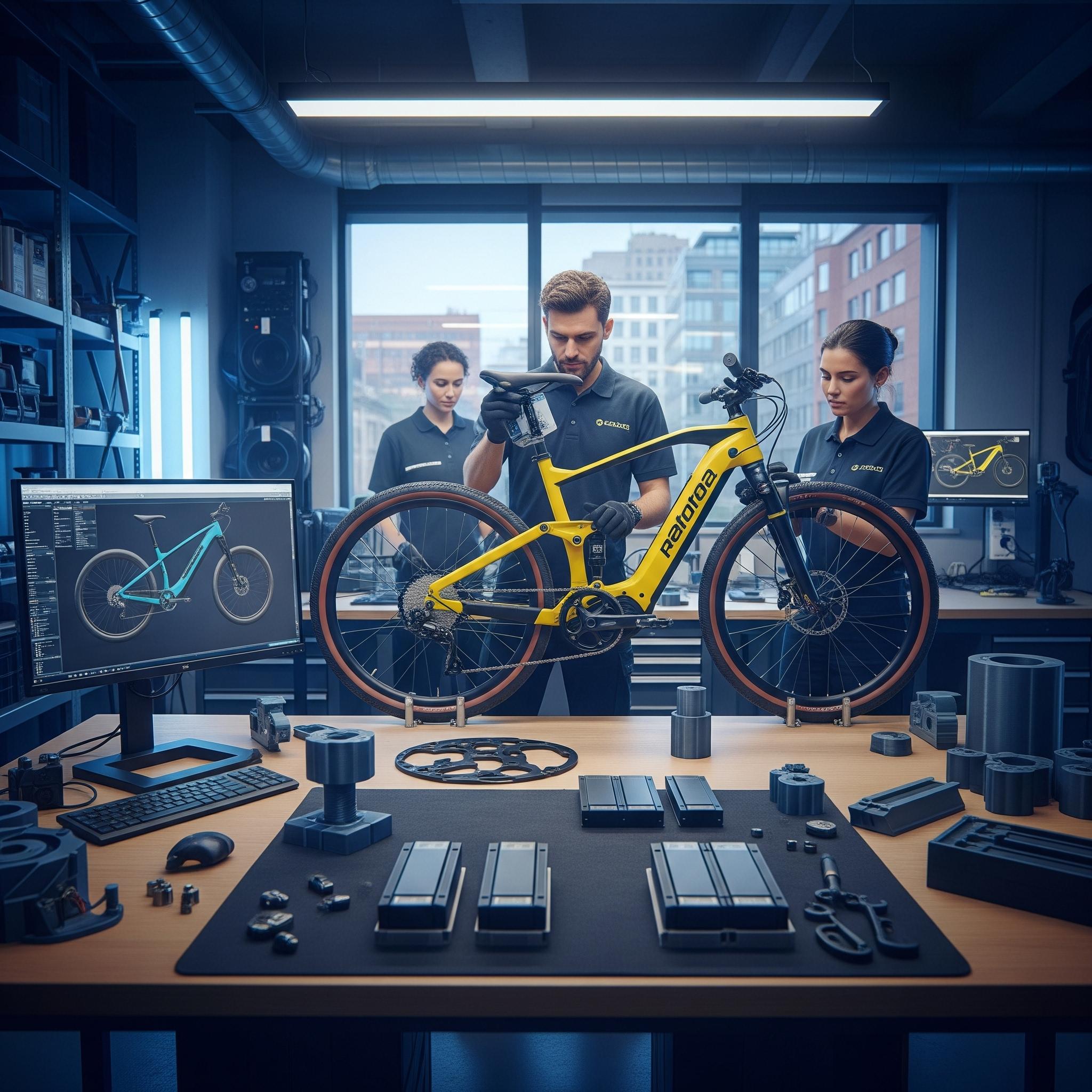
Product Type:Factory & R&D
Product Introduction:Developing an electric scooter is different from assembling a finished product. The vehicle needs to work as a complete system...
Developing an electric scooter is different from assembling a finished product.
The vehicle needs to work as a complete system, which means product development and manufacturing need to be connected.
Airplaying’s manufacturing work covers product development, component integration, prototype evaluation and production.
A typical product development process can include:
Concept
Define the intended application, rider requirements and target market.
Engineering
Develop the frame, electrical system and major components around the intended vehicle configuration.
Prototype
Build and evaluate the initial vehicle.
Testing and Adjustment
Identify issues with handling, braking, power delivery, ergonomics, electrical systems or component integration.
Production Preparation
Finalize components, assembly procedures, quality requirements and production documentation.
Manufacturing
Move the finalized product into controlled production.
This connection between engineering and production is particularly useful for OEM customers.
Our development work can involve areas such as:
These systems cannot always be developed independently.
For example, a larger battery requires sufficient frame space and appropriate electrical protection. A more powerful motor requires a suitable controller and battery discharge capability. Larger tires require adequate frame and fork clearance.
Our Technology section provides further information about these systems.
A prototype is useful because drawings and specifications cannot reveal every practical issue.
Prototype evaluation can help identify:
Changes made during this stage can reduce problems later in production.
Production involves more than assembling individual parts.
The manufacturing process can include:
Production procedures and inspection requirements should be defined according to the product.
For OEM and ODM customers, engineering capability is particularly important.
A customer may need to change:
Some changes are straightforward. Others affect multiple vehicle systems and require engineering evaluation.
This is why OEM development should be treated as a product-development process rather than simply changing a logo.