Product Type:Battery Systems
Product Introduction:Electric Scooter Battery Systems: Voltage, Capacity, BMS and Real-World Range The battery is the energy source of an electric ...
Electric Scooter Battery Systems: Voltage, Capacity, BMS and Real-World Range
The battery is the energy source of an electric scooter or electric bike, but battery performance cannot be judged by amp-hour capacity alone.
A complete battery system includes the battery cells, battery management system, enclosure, wiring, connectors, charger and the relationship between the battery and motor controller.
Two of the most important battery specifications are voltage and amp-hour capacity.
For example:
60V × 25Ah = 1,500Wh nominal battery energy.
This provides a much more useful indication of energy capacity than simply saying that a battery is “25Ah.”
However, actual riding range depends on many variables:
Therefore, advertised range should always be treated as an operating estimate rather than a fixed number.
The individual cells are the foundation of the battery pack.
Modern electric mobility products commonly use lithium-ion cells, including cylindrical cell formats such as 18650 and 21700.
The cell specification affects:
For higher-power electric scooters, the battery must be capable of supplying the current demanded by the motor controller without excessive voltage drop or thermal stress.
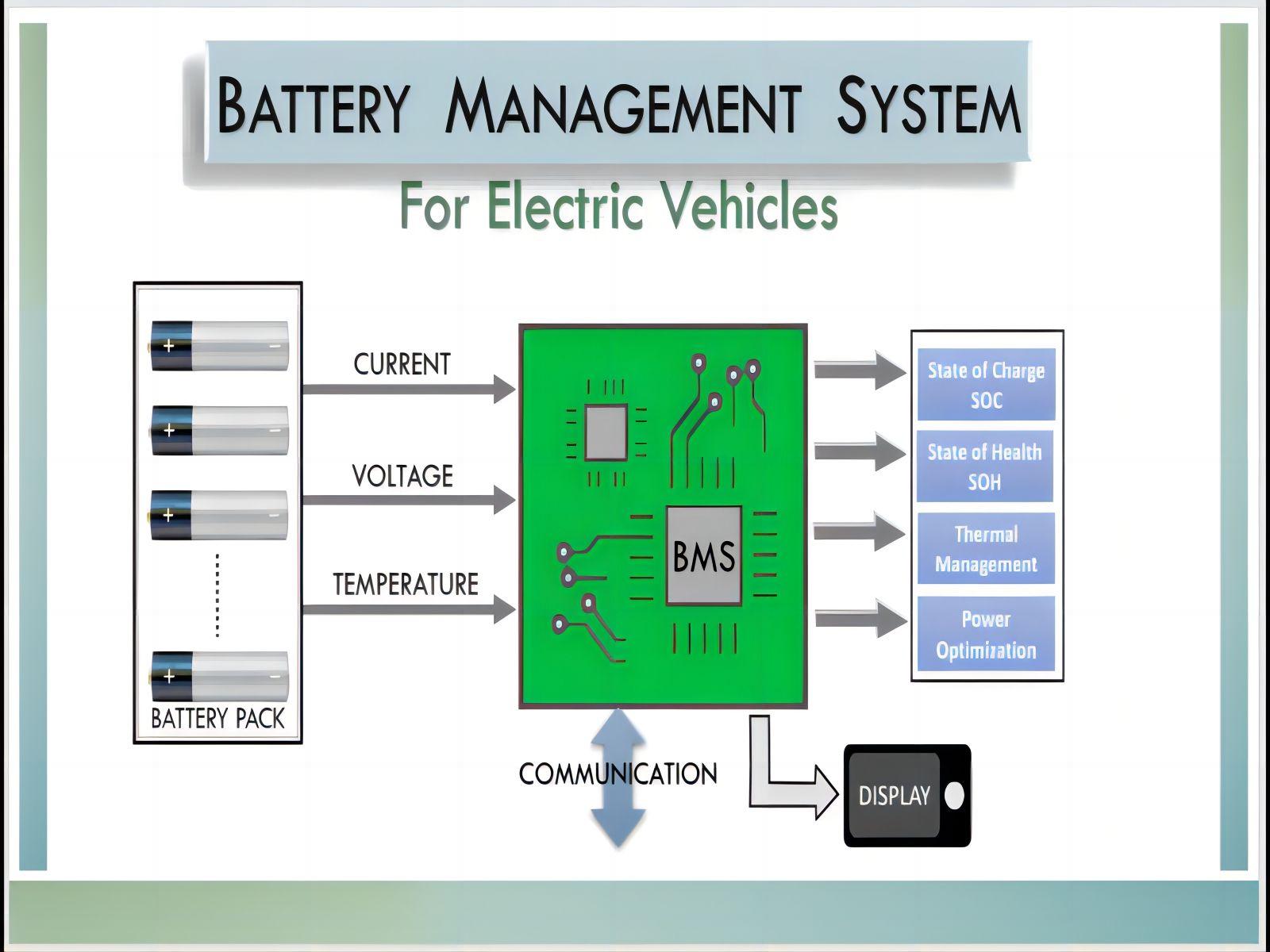
The BMS is an important part of a lithium battery system.
A properly designed BMS can monitor and manage conditions such as:
The BMS should be matched to the battery configuration and vehicle requirements.
A high-capacity battery does not automatically mean a high-performance battery. The discharge capability, BMS design and controller settings all need to work together.
Removable batteries have become increasingly important for electric scooters and e-bikes.
Instead of requiring the entire vehicle to be positioned near a power outlet, users can remove the battery and charge it separately.
This can be especially useful for:
For B2B products, removable battery systems can also simplify battery replacement and after-sales service.
OEM customers may have different requirements depending on market and application.
Battery configuration can be developed around:
For example, a compact urban e-bike may prioritize low weight and easy removal, while a long-range electric cruiser may prioritize larger energy capacity.
A battery system is an engineered system, not simply a large-capacity battery pack.
For electric scooter and e-bike manufacturers, the correct approach is to match cells, BMS, controller, motor and vehicle application as one integrated power system.