Product Type:Technical Guides
Product Introduction:Why Does the AS201 Use 20×4.0 Tires? The AS201 uses 20×4.0 tires because the tire size fits the vehicle's overall design: a ...
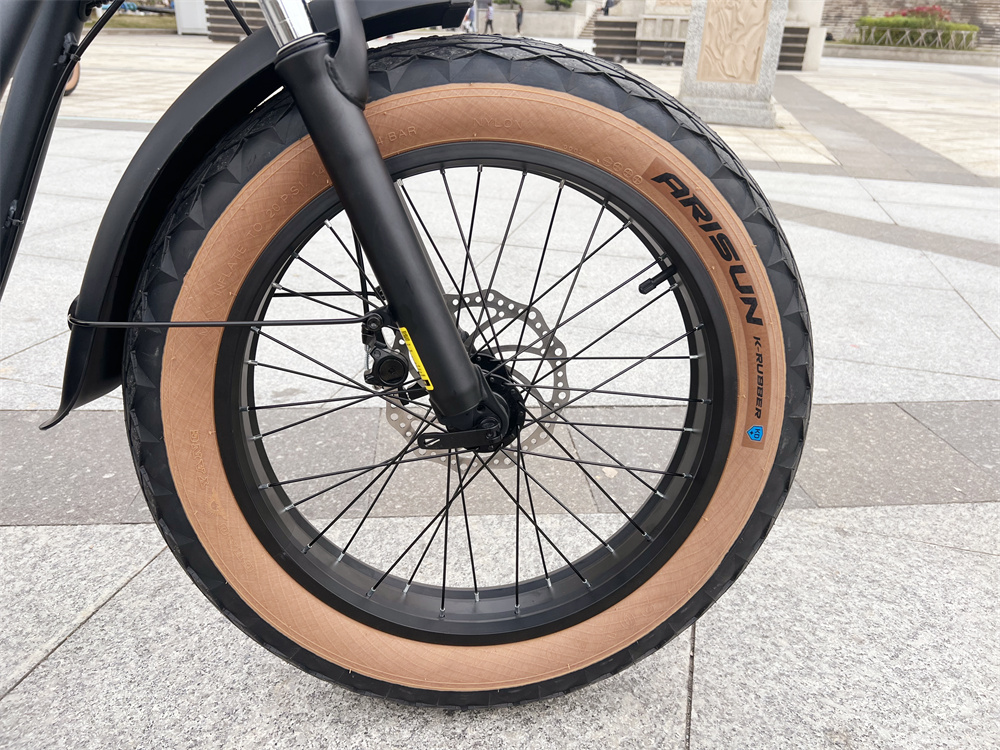
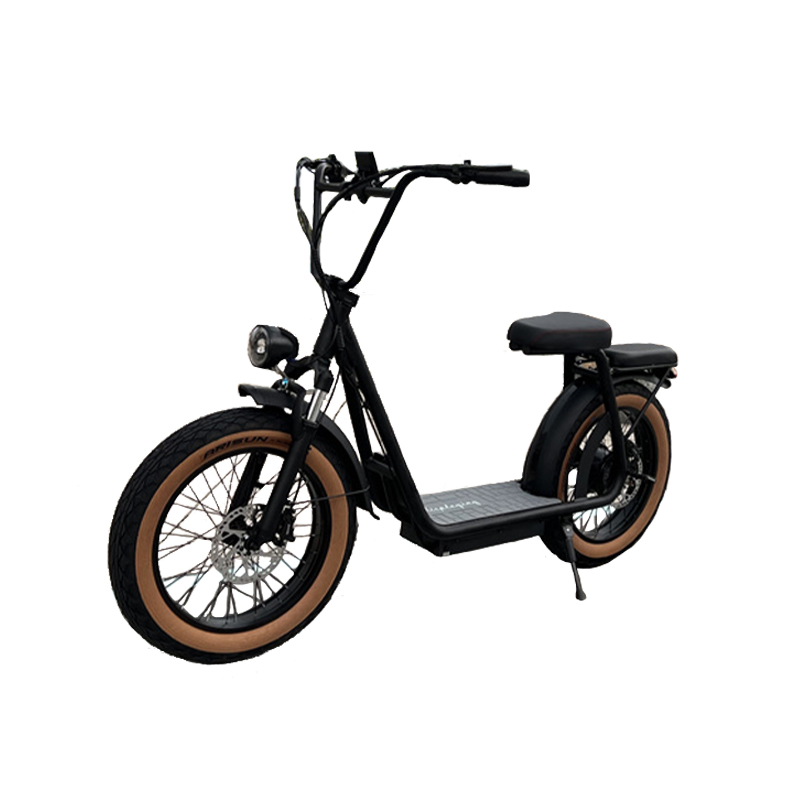
The AS201 uses 20×4.0 tires because the tire size fits the vehicle’s overall design: a relatively compact wheel diameter combined with a wide tire, cruiser-style frame and recreational riding position.
The wider tire changes the contact area and ride feel compared with a narrow bicycle tire.
A wider tire can provide a broad contact patch, particularly when operated at an appropriate pressure.
This can be useful on surfaces such as compact dirt, grass and gravel where the vehicle is permitted to operate.
However, a larger tire is not automatically better for every application. Wider tires generally have higher rolling resistance and greater weight than narrow tires.
Tire pressure is one of the easiest variables to overlook.
Pressure affects:
The correct pressure should follow the tire manufacturer’s recommendation and take rider weight and riding conditions into account.
A 20-inch wheel provides a relatively low center of the wheel while allowing the use of a high-volume tire.
The result is different from a 26-inch or 700C commuter bicycle. The AS201 combines this wheel format with a long seat and wide frame to create its cruiser-style proportions.
No.
Fat tires are used in many recreational and urban applications. Tire width alone does not determine whether a vehicle is an off-road vehicle.
The AS201 is designed for leisure and recreational applications, while the suitability of a particular surface depends on the actual vehicle configuration and local rules.
For distributors, tire selection should be considered together with the rest of the product.
The important questions include:
The 20×4.0 specification is one part of the AS201 design rather than the complete definition of the vehicle.